
For Patients
Everything you need to prepare for your appointment
Sleep and Respiratory Group specialises in diagnosing and treating complex sleep and respiratory conditions. We provide precise, compassionate care for every patient.
Understanding sleep tests
A sleep study is a diagnostic test that monitors your body during sleep to help diagnose sleep disorders. Sensors measure brain waves, heart rate, breathing, oxygen levels and limb movements throughout the night, so doctors can understand what’s happening when you sleep and determine the best treatment. Studies are generally performed overnight in a sleep lab, though some patients may suit a home-based study using a portable monitor.
Laboratory sleep test
The gold standard for 30 years. Performed in hospital under supervision, with a scientist close by, so information is collected correctly and accurately. Minimises the disruptions you might get at home. We can check for subtle abnormalities — leg movements, behaviours, nightmares — and adjust for sleeping position, restlessness and special needs. Gives the most comprehensive information.
See what to expect
Home sleep test
Medicare-approved for assessing likely obstructive sleep apnoea, and in our hands still highly informative. Performed at home, many people prefer these for comfort and privacy, sleeping in their own environment.
Coming in by direct referral
If you’re sufficiently symptomatic or at risk, a GP or specialist can refer you directly for a sleep test — without seeing a sleep physician first. To see if you qualify, take our assessment surveys.
Preparing
Preparing for your appointment
We make your initial consultation clear and comfortable. Our team listens carefully and prepares a personalised diagnostic approach.
In-laboratory sleep study
Your sleep study: what to expect
If you’re coming in for an overnight sleep study, here’s what to expect — so you can arrive relaxed and prepared. Our friendly scientists will look after you throughout.
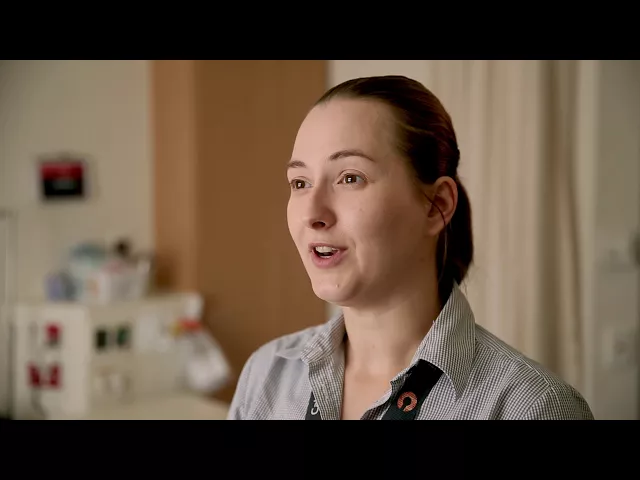
A look inside our sleep laboratory

Preparing for your sleep study
On arrival
You’ll be admitted to the sleep laboratory in the evening and shown to your own private room, much like a hospital room, with an ensuite. You’re welcome to bring your own pillow and anything else that helps you feel comfortable and sleep as you normally would at home.
Getting set up
Our sleep scientist will attach a series of small sensors to your head, face, chest and legs. These measure your brain waves, breathing, heart rate, oxygen levels, body position and leg movements through the night. The sensors are painless and designed to let you move and sleep naturally.
During the night
Once you’re set up, you can read, watch television or simply settle in until you’re ready to sleep. Our scientist monitors your study from an adjacent room throughout the night. If you need to get up or need assistance at any time, they’re right there to help.
In the morning
The sensors are removed in the morning and you’re free to head off and continue your day as normal. There’s no downtime or recovery needed.
Your results
Your sleep study is carefully analysed and reviewed by one of our sleep specialists. Results are typically available within 10 business days, and a follow-up consultation will be arranged to discuss the findings and any recommended treatment.
A few comfort tips
A few things that help: keep your hair clean and product-free on the day (no oils, gels or heavy conditioner), avoid caffeine and alcohol in the afternoon and evening, and bring comfortable sleepwear and your usual toiletries. If you take regular medication, bring it with you and take it as normal unless your doctor has advised otherwise.
Driver licensing
Fitness to drive
Sleep disorders can impair your ability to stay alert during monotonous tasks like driving, increasing the risk of near misses, veering and accidents. Untreated sleep apnoea raises accident risk by up to 5 times for regular drivers, and up to 7 times for commercial truck drivers.
Your obligations
Healthcare providers have an obligation to discuss a medical condition with the relevant licensing authority when it may affect safe driving ability. That said, the majority of people are deemed fit to drive — sometimes with various provisions in place.
How we help
Our physicians help you keep your licence by getting you onto suitable treatment and monitoring your progress over time. If a report is needed for your licensing authority, we’ll guide you through exactly what’s required.
Helpful resources
FAQ
Frequently Asked Questions
What is sleep apnoea?
Do I need a referral to book an appointment?
Is my appointment or testing covered by Medicare?
What is a sleep study?
Can I book a sleep study without a GP or specialist referral?
What's the difference between a laboratory and a home sleep test?
What is a lung function test?
Do I need to pay on the day?
What is SRG's cancellation policy?
How do you protect my privacy?
More resources
Frequently Asked Questions
Have a question about referrals, Medicare, fees, or what to expect? Find answers in our FAQs.
View FAQs
Patient Resources & Useful Links
Trusted external resources to help you understand and manage your sleep and respiratory health.
Browse resources
Ready to book your appointment?
Book a consultation, sleep test or lung function test — our team will guide you through what to prepare.